DURGAPUR LIVE
All About Durgapur in Drone & Cinematic, We covered most Durgapur News & Event's in Durgapur
Durgapur History – From Ancient Rarh to Steel City
The history of Durgapur reflects India’s journey from a rural landscape to a modern industrial powerhouse. Located in West Bengal, Durgapur was once part of the ancient Rarh region along the Damodar River.
Early History
Before industrialization, the area consisted of forests and small villages. It was ruled by local kings, later by the Delhi Sultanate, the Mughals, and eventually the British. During colonial rule, the region remained underdeveloped and primarily agricultural.
Industrial Development
The turning point in Durgapur history came after independence in 1947.
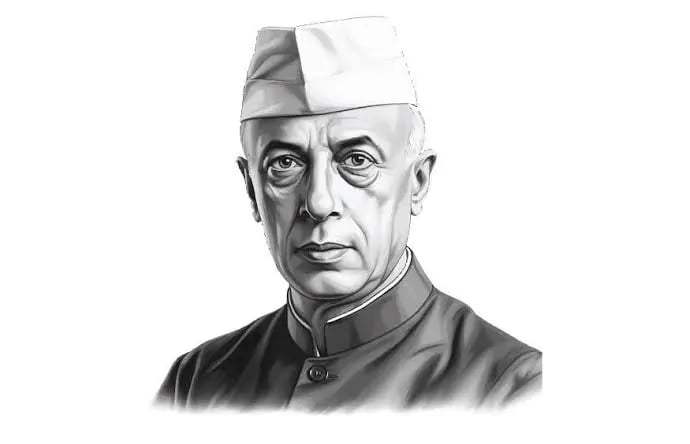
Under Prime Minister Jawaharlal Nehru’s industrial policy,
Durgapur was chosen as a center for heavy industries.
The establishment of the Durgapur Steel Plant in the late 1950s marked the city’s industrial foundation. Managed by Steel Authority of India Limited, it became a key steel producer in India.
Planned City Growth
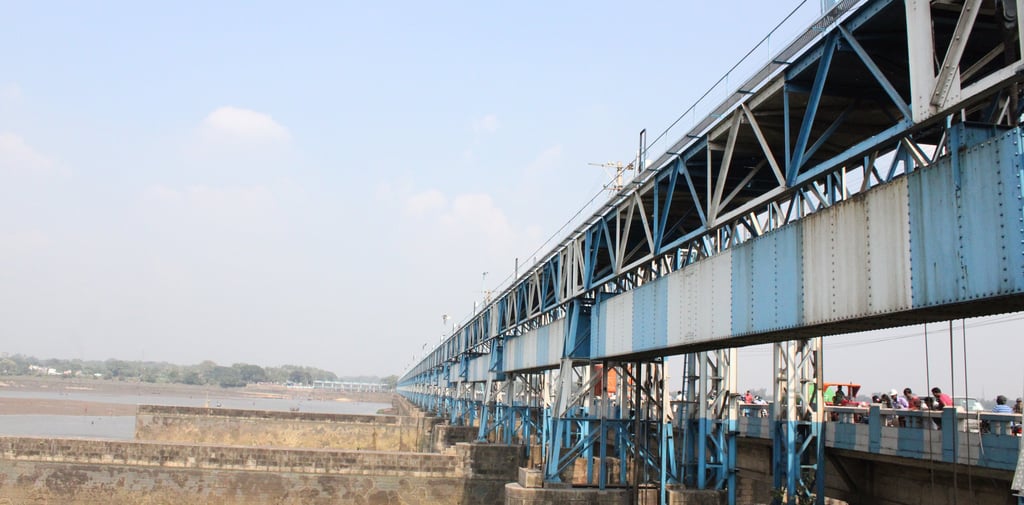
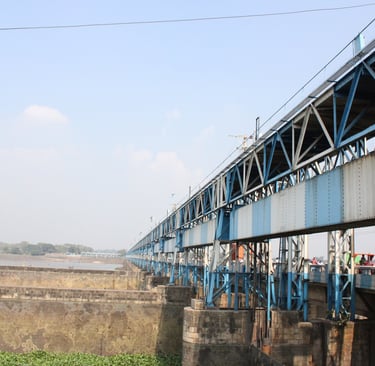
The development of the Durgapur Barrage supported irrigation and industry. Durgapur was designed as a planned township with wide roads, industrial zones, and residential sectors.
Modern Identity
Today, Durgapur is recognized as the Steel City of Eastern India and continues to grow as an industrial, educational, and commercial hub.
Frequently asked questions
Why is Durgapur called the Steel City?
Durgapur is called the Steel City because of the establishment of the Durgapur Steel Plant, operated by Steel Authority of India Limited.
Where is Durgapur located?
Durgapur is located in Paschim Bardhaman district of West Bengal, along the Damodar River.
When was Durgapur established as an industrial city?
Durgapur’s industrial development began in the late 1950s after India’s independence.
What are the major industries in Durgapur?
Major industries include steel, alloy production, and power generation.
Is Durgapur a planned city?
Yes, Durgapur is one of India’s first planned industrial cities with organized sectors and wide roads.
Contact Us
Reach us for promotions, collaborations, or ideas.
Phone
info@durgapurlive.com
© 2026 durgapurlive.com All rights reserved.
+91 9832712824
Durgapur LIVE is your digital gateway to the heart of Durgapur. Stay updated with the latest happenings, discover local hotspots, explore community events, and experience the culture, lifestyle, and spirit that define the Steel City.
DURGAPUR LIVE
Discover Durgapur from Above – Drone & Cinematic